Rosedale Plumbing Journal
By The Plumbing Doc
March - Leak Detection - A Recent Job & Some Homeowner Tips
By Rick, Owner, The Plumbing Doc
What I Walked Into
March usually brings warmer weather here in Bakersfield, and with that I start getting calls about higher water bills. One that stands out this month came from a family who noticed their usage had nearly doubled, but nothing in their routine had changed.
It was a single-story home, built in the late 90s. No obvious flooding. No dripping faucets. Just a faint damp smell near the hallway and a small warm spot on the floor they couldn’t explain.
They weren’t sure if it was serious, but they had a feeling something wasn’t right. That feeling is usually correct.
The Problem
Leaks behind walls or under slabs rarely show up in an obvious way. You usually don’t see water pouring out. Instead, it’s small signs that add up.
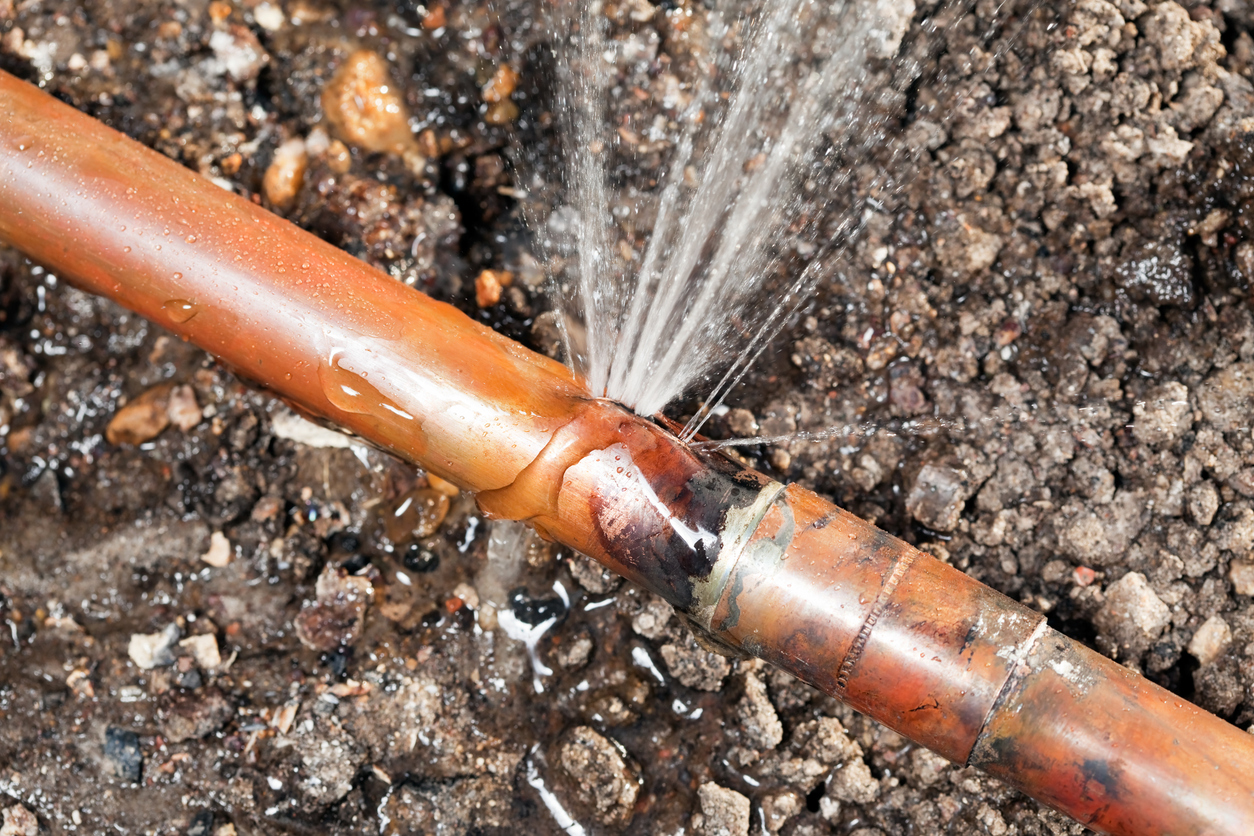
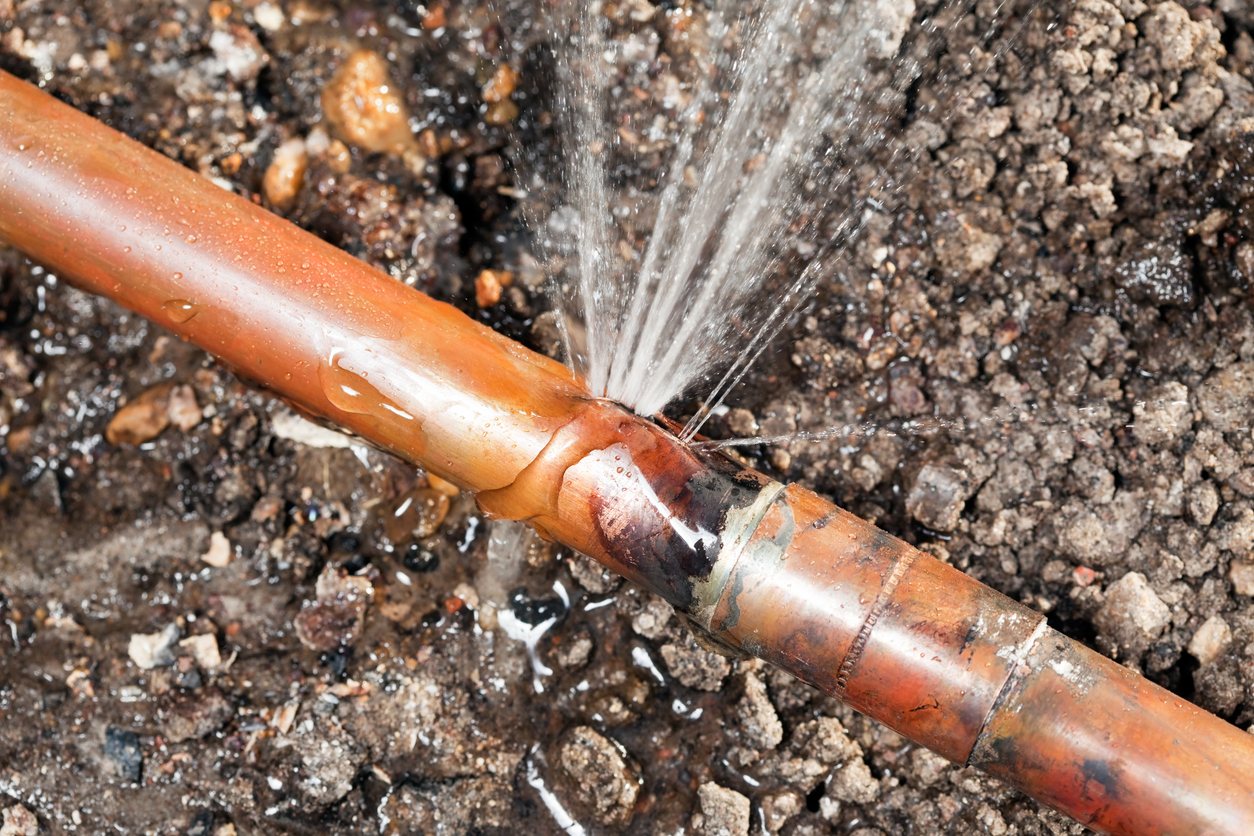
In this case, the warm spot on the tile was the first clue. It wasn’t soaking wet. It just felt slightly warmer than the surrounding floor. That’s often a sign of a hot water line leaking under the slab. When we ran pressure tests, we saw the system slowly losing pressure over time. Not a huge drop. Just steady loss that confirmed water was escaping somewhere.
That’s what makes slab leaks tricky. They can run for weeks or months before anyone realizes what’s happening. Meanwhile, water is spreading under the foundation. It can soften soil, create voids, or slowly damage flooring materials above it. In some cases, moisture can start working its way into walls or baseboards.
Even if you don’t see puddles, the water is still going somewhere. And the longer it runs, the more damage it can cause.
The stress part is real. The homeowner kept saying, “I just don’t want this to turn into something major.” That’s what I hear most often. People aren’t just worried about the repair. They’re worried about what happens if they ignore it. Structural damage. Mold. Expensive restoration work.
Most of the time, they just want it handled before it gets worse.
The Process
We started with proper leak detection. That means isolating different sections of the plumbing system and testing them separately. We use pressure gauges and listening equipment to narrow down the area without opening walls or breaking concrete.
It takes time, but it avoids unnecessary damage. The goal is to find the exact location, not guess.
Once we confirmed it was a slab leak on the hot water line, we went over the options carefully.
Sometimes a direct repair under the slab makes sense. That involves opening the concrete and fixing that specific section. In this situation, the pipe showed general wear. Fixing one small section might solve today’s leak, but it could leave other weak areas behind.
That’s why rerouting made more sense.
Here’s what we did:
First, we shut off the affected line to stop further water loss.
Then we mapped out a new path for the water line through the attic space. Running it above the slab removes it from direct contact with shifting soil and moisture underneath the home.
Next, we installed new piping, secured it properly, insulated where needed, and tied it back into the system.
After that, we ran full pressure tests again. We let the system sit and made sure the pressure held steady. No drops. No weak points.
Finally, we restored water service and tested every fixture in the house to confirm proper flow and temperature.
No breaking into the slab. No major demolition. Just a controlled repair done in a way that prevents the same issue from happening again.
The Outcome
The water bill issue was corrected right away. The pressure stabilized. Within a day, the warm spot on the floor returned to normal temperature.
But the biggest difference wasn’t technical. It was the shift in how the homeowner felt.
They weren’t checking the floor every few hours. They weren’t listening to strange sounds at night. They weren’t worried about hidden moisture spreading under the house.
They could run the shower, do laundry, and use the dishwasher without wondering if something was still leaking below them.
That kind of peace of mind doesn’t show up on an invoice, but it matters.
Sometimes the best result isn’t dramatic. It’s just things working the way they’re supposed to.
DIY Advice I Gave Them
After the repair, I always go over a few simple things homeowners can watch for:
Pay attention to your water bill. If usage jumps and nothing else has changed, that’s a sign.
Listen carefully at night when the house is quiet. If you hear water running and nothing is on, it’s worth checking.
Feel your floors occasionally, especially tile or laminate. Warm or damp areas shouldn’t be ignored.
Notice changes in water pressure. A steady drop can indicate a hidden issue.
Know exactly where your main shut-off valve is. In an emergency, minutes matter.
They’ve been keeping an eye on usage since the repair, and everything has stayed consistent. No surprises.
Professional Insight
Some leaks are obvious. You see water dripping under a sink and fix it. Others, especially slab leaks, require proper tools to locate accurately.
Trying to guess the location can lead to tearing into the wrong spot. That creates more repair work and more expense than necessary.
Leak detection equipment allows us to narrow things down without causing extra damage. It saves time and limits disruption.
If something feels off — higher bills, unexplained moisture, pressure changes — it’s usually better to check it early. Small leaks are easier to deal with than long-term damage.
Closing
This job was a reminder that small signs shouldn’t be ignored. A warm tile. A higher bill. A faint smell. Those things don’t fix themselves.
If you’re in Bakersfield and something about your plumbing doesn’t feel right, it’s worth having it looked at before it turns into structural damage or major repairs.
Thanks for reading.
– Rick

Schedule a Professional Inspection
Ready to schedule a professional inspection? Contact us today.

Have a question? Give us a call
We are happy to answer any questions you have :)