
Rosedale Plumbing Journal
By The Plumbing Doc
Outdoor Faucet – A Recent Job & Some Homeowner Tips
By Rick, Owner, The Plumbing Doc
What I Walked Into
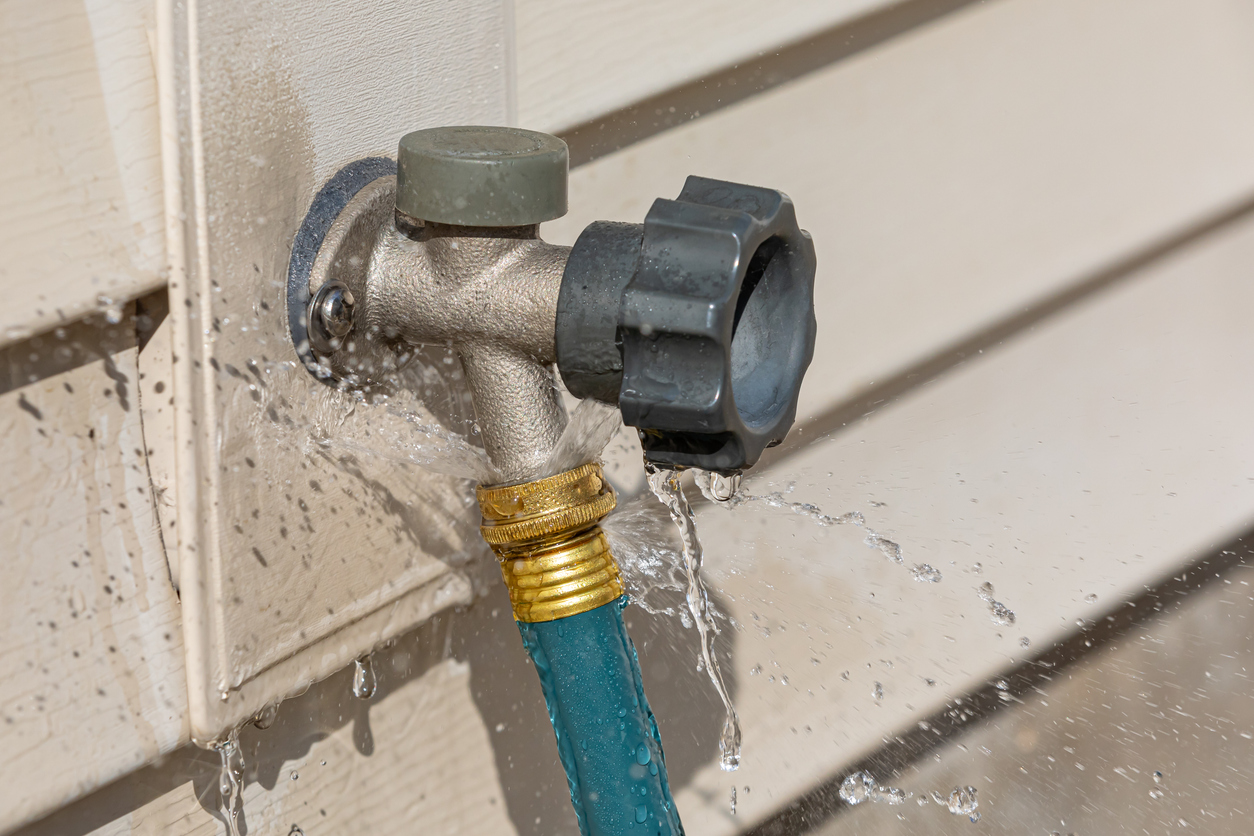
I see this a lot around May in Bakersfield when people start using their outdoor faucets again. After sitting through the winter, things like watering the yard, washing cars, or filling up a pool suddenly pick back up, and that’s when small issues start to show.
This call came from a homeowner who noticed something didn’t feel right when they turned their faucet on. The pressure was lower than usual, and after shutting it off, they saw a small drip near the wall.
It wasn’t anything serious at that point. No flooding, no visible damage, just one of those early signs that something isn’t working the way it should.
But even something small like that is usually worth checking out, so I went over to take a closer look.
The Problem
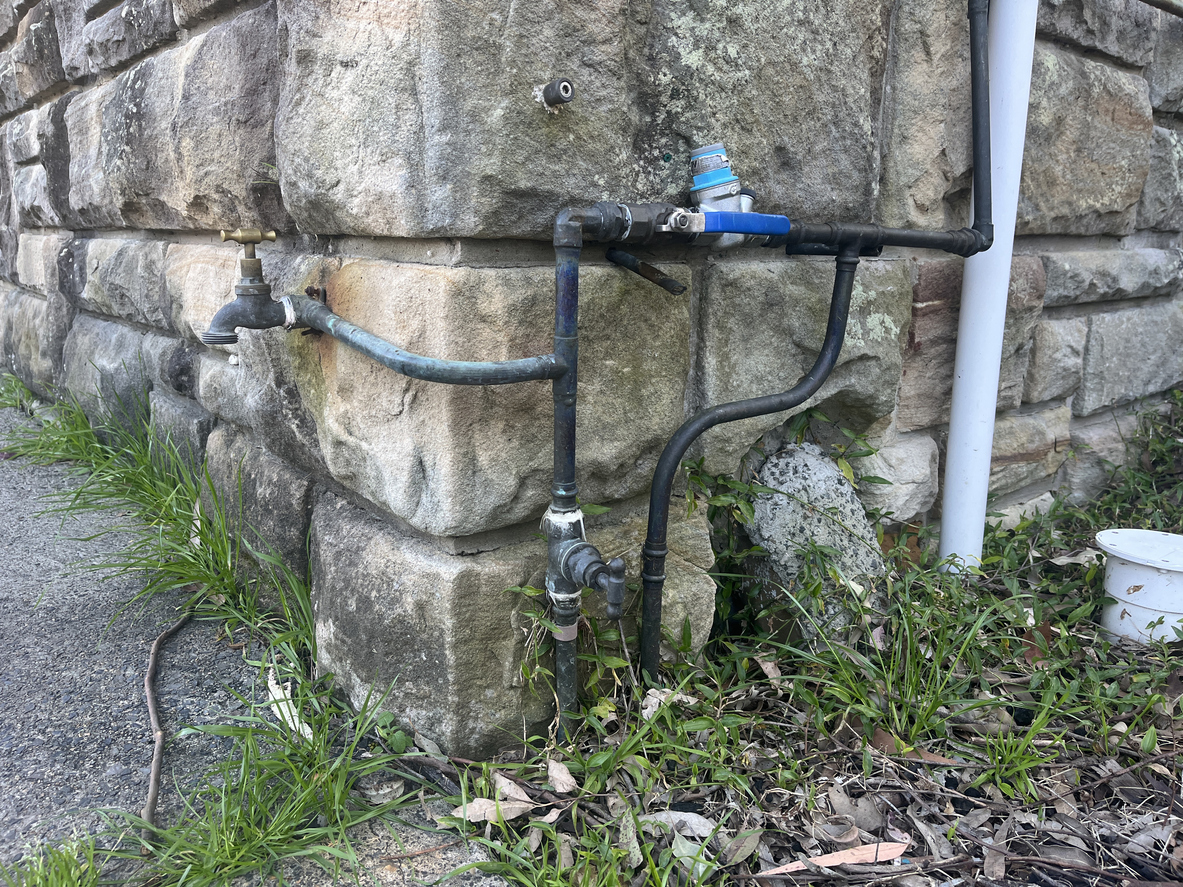
When I checked the faucet, the issue wasn’t just the drip outside.
The connection behind the wall had started leaking. Over time, the seal inside the faucet had worn down, and every time the water was turned on, a small amount was escaping into the wall.
That’s the part most people don’t see.
From the outside, it just looks like a slow drip. But inside, water can soak into wood, insulation, and drywall. It doesn’t take much for that to turn into damage.
I also noticed some mineral buildup around the spigot, which usually means the problem has been there for a while.
This is pretty common in Bakersfield. Outdoor faucets get used heavily during the warmer months and then sit unused. When they’re turned back on, any worn parts start showing up right away.
The homeowner caught it early, which made a big difference.
The Process
The first thing I did was shut off the water to that line so we could stop any further leaking right away. No point working on it while water is still pushing through.
Then I removed the old outdoor faucet and took a closer look at the pipe behind the wall. That’s always the part I pay attention to. Sometimes the damage goes deeper than what you see outside. In this case, the pipe itself was still solid, which was good. No signs of rot or major corrosion, just wear at the connection point.
We cleaned up the connection area and installed a new faucet. I made sure the threads were sealed properly and everything was tightened the right way so it wouldn’t loosen over time.
After that, I turned the water back on slowly and checked everything. First outside, then inside near the wall. I let it run for a bit and watched for any signs of moisture or pressure drops. Everything stayed dry.
We also checked the flow to make sure the pressure felt normal. If something is off there, it usually means there’s still a restriction or another issue somewhere in the line.
Before finishing up, I made sure the faucet was angled slightly so water could drain out after each use. That small detail helps prevent water from sitting inside and causing problems later.
Nothing complicated. Just fixing the connection, checking the system properly, and making sure it wouldn’t come back as the same issue.
The Outcome
I always like to walk homeowners through what changed once everything’s fixed, and in this case, the difference was pretty clear right away.
Once the new faucet was installed and tested, the drip was completely gone. When you turned the water off, it actually shut off the way it should instead of continuing to leak. The pressure felt steady again, and the flow was back to normal.
What mattered most, though, was that no water was getting behind the wall anymore. That’s usually the bigger concern with issues like this, even if the leak seems small at first.
The homeowner told me they felt a lot better knowing it hadn’t turned into something hidden. Before the repair, they were checking that faucet every time they used it, just waiting to see if it would drip again. Afterward, it wasn’t even on their mind.
That’s typically how these situations go when you catch them early. You fix the problem properly once, and you don’t have to keep dealing with it.
DIY Advice I Gave Them
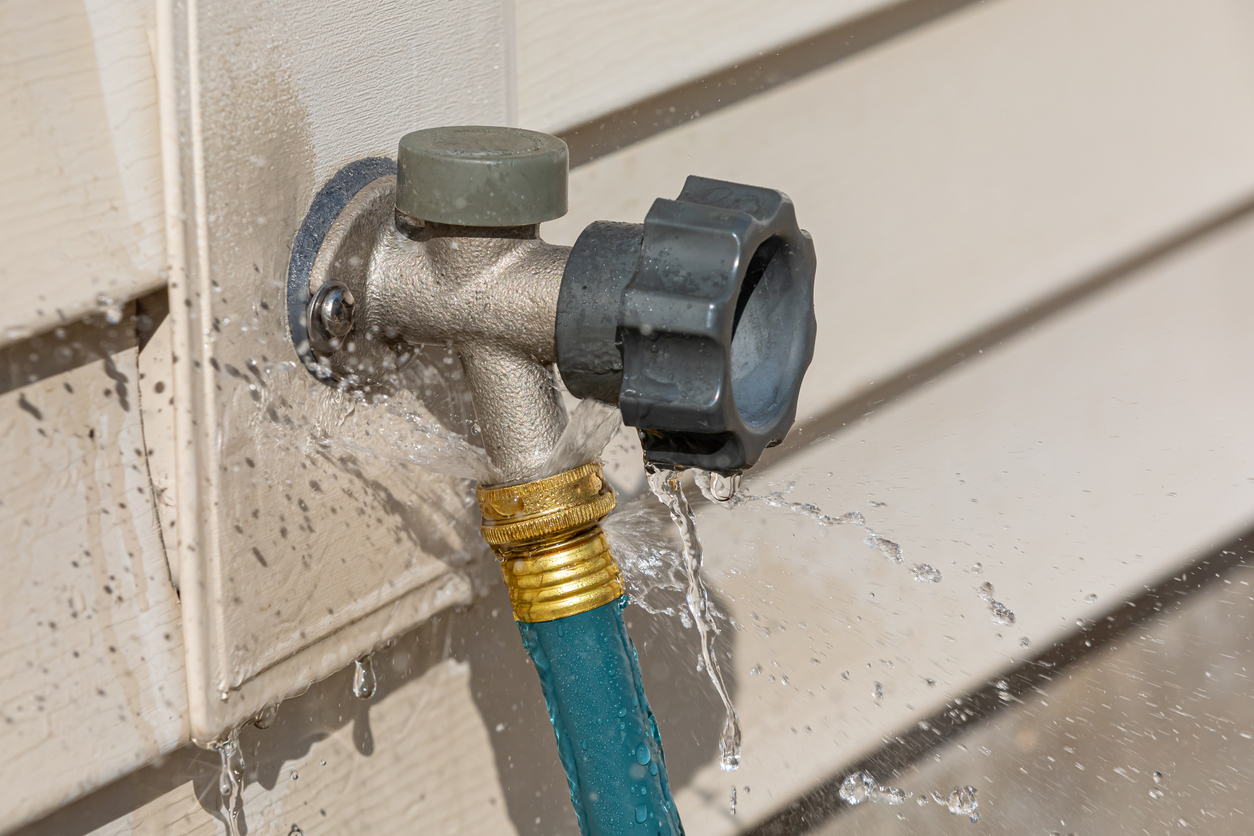
I kept it simple and focused on things they could actually stay on top of without overthinking it. I told them to turn outdoor faucets on slowly at the start of the season and watch for any leaks right away, since problems often show up within the first few seconds. After shutting the faucet off, it’s a good idea to wait a minute and see if water keeps dripping. A quick stop is normal, but anything that continues can point to a worn washer or something going on inside.
I also recommended checking where the faucet meets the wall for any damp spots, staining, or soft material, since even a little moisture there can mean water is getting behind the wall. Paying attention to water pressure is another one. If it suddenly feels weaker than usual, it could be a sign of buildup, a restriction, or a developing issue. And whenever possible, disconnecting hoses when they’re not in use helps take pressure off the faucet and prevents unnecessary wear.
They’ve been staying consistent with those steps since the repair, and everything has held up well. No issues and no surprises.
Professional Insight
I always tell people that outdoor faucet problems usually don’t start as big repairs. Most of the time, they begin as small issues that are easy to overlook.
A slow drip or a worn seal might not seem like a big deal, but if water is getting behind the wall, it can sit there and cause damage over time. By the time it finally shows up inside, it’s usually turned into more work than it needed to be.
That’s why doing a quick check at the start of the season really helps. You don’t have to take anything apart, just pay attention to how the faucet looks and how it’s working.
If something feels off, even something small like a drip or lower pressure, it’s worth taking care of it early. Small issues are easy to fix. The ones that get ignored usually don’t stay small for long.
Closing
This job was a reminder that simple things like an outdoor faucet can cause bigger problems if they’re ignored.
It doesn’t take much water to create damage over time, especially when it’s hidden.
If you’re in Bakersfield and you’re turning your outdoor water back on for the season, take a minute to check it. It’s a small step that can save you from a bigger repair later.
Thanks for reading.
– Rick
[https://theplumbingdoctorbakersfield.com/generalplumbing]

Schedule a Professional Inspection
Ready to schedule a professional inspection? Contact us today.

Have a question? Give us a call
We are happy to answer any questions you have :)