
Rosedale Plumbing Journal
By The Plumbing Doc
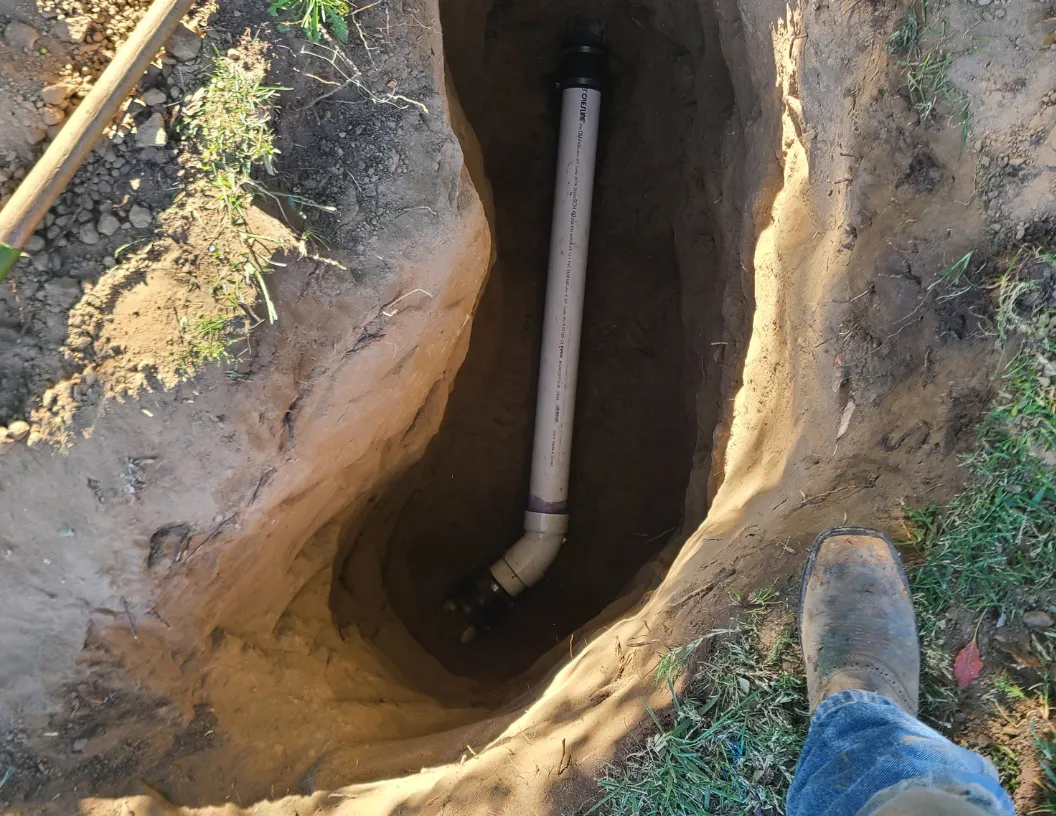
When Digging Isn’t the Answer: A Trenchless Pipe Lining Story from Bakersfield
By Rick, Owner, The Plumbing Doc
What I Walked Into
February is usually when I start getting calls that sound a little frustrated right from the start. One that sticks out this month came from a homeowner here in Bakersfield who had been dealing with slow drains for a while. Nothing dramatic at first. Just one bathroom backing up now and then, then the kitchen started acting up too.
It was an older home. Slab foundation. The kind of place where you already know the plumbing hasn’t been touched in decades. They called because the problem wasn’t going away anymore, and they were worried it was going to turn into something bigger.
The Problem
Once we ran the camera through the line, the issue was easy to see. The pipe wasn’t fully collapsed, but it was definitely on its way there. There were visible cracks along the length of the line, joints that had shifted over time, and early root intrusion working its way in through those weak spots. That combination is pretty common in older parts of Bakersfield where the plumbing hasn’t been updated in decades.
What makes this kind of problem tricky is that it doesn’t fail all at once. The pipe still works—until it doesn’t. Water might drain fine one day and back up the next. Toilets flush slower. Sinks gurgle. Sometimes everything seems okay, which makes people second-guess whether anything is really wrong.
The stress comes from the uncertainty. Every time water is used, there’s that thought in the back of your mind wondering if today is the day it backs up again. On top of that, most homeowners hear “sewer line repair” and immediately picture torn-up yards, jackhammers through concrete, and being without water for days. That fear alone keeps a lot of people from calling sooner.
By the time they reach out, they’re usually stuck between hoping the problem goes away and worrying about what fixing it might involve.

The Process
After reviewing the camera footage together, we talked through the options in plain terms. In this case, the pipe still had enough structure to work with, which meant full excavation wasn’t necessary. That alone was a relief for the homeowner.
Because the line wasn’t collapsed, trenchless pipe lining made sense. It allowed us to repair the pipe from the inside without digging up the property or breaking concrete.
The first step was cleaning the line completely. That meant removing roots, scale, and any buildup along the pipe walls. This part matters more than people realize. If the pipe isn’t clean, the liner won’t bond correctly, and the repair won’t last.
Once the line was prepped, we installed the liner through the existing access point. No trenches. No demolition. The liner is saturated with resin and carefully positioned inside the old pipe so it runs the full length of the damaged section.
After that, the liner cures in place and hardens. When it’s finished, the inside of the pipe is smooth and sealed, with joints and cracks closed off. Functionally, it becomes a new pipe inside the old one.
No guessing. No shortcuts. Just making sure it was fixed the right way.
The Outcome
The change was noticeable right away. Drains cleared up. Water moved the way it should. Toilets flushed normally without hesitation. There was no waiting to see if the problem might come back later that day or the next morning.
What stood out most was the relief. The homeowner wasn’t bracing for another backup every time the sink or shower was used. They could run the dishwasher, do laundry, and take showers without wondering if something was about to go wrong.
They were also glad the repair didn’t turn into a major construction project. The yard stayed the same. The slab wasn’t touched. Inside the house, nothing had to be opened up or repaired afterward. Life went on without disruption.
Instead of putting off the problem or worrying about it getting worse, they had a solid fix in place and could stop thinking about their sewer line altogether. That’s usually the best outcome — when the plumbing fades back into the background where it belongs.
DIY Advice I Gave Them
There’s no DIY fix for a damaged sewer line, but there are things I always recommend afterward:
Avoid chemical drain cleaners. They damage older pipes.
Pay attention to repeat issues. One clog is normal. Patterns are not.
Don’t flush wipes, paper towels, or anything that isn’t meant for plumbing.
If you have trees near sewer lines, be aware of root growth over time.
Schedule a camera inspection if problems return instead of guessing.
They followed those steps, and it’s helped keep the line in good shape.

Professional Insight
Trenchless pipe lining isn’t for every situation. If a pipe is fully collapsed, it’s not an option. But when the structure is still there, it can save a lot of disruption and extend the life of a sewer line for years.
The key is proper inspection. Guessing leads to the wrong fix. Cameras tell the truth.
Closing
Jobs like this remind me that plumbing problems don’t have to turn into disasters. Sometimes the right solution is quieter, cleaner, and less invasive than people expect.
If you’re in Bakersfield and dealing with repeat drain issues, slow lines, or unexplained backups, it’s worth getting things checked before they get worse.
Thanks for reading, and take care of those pipes.
– Rick
[https://theplumbingdoctorbakersfield.com/trenchlesslinereplacement]

Schedule a Professional Inspection
Ready to schedule a professional inspection? Contact us today.

Have a question? Give us a call
We are happy to answer any questions you have :)