
Rosedale Plumbing Journal
By The Plumbing Doc
When the Pump Was There… But Not Working: A Sump Pump Job in Bakersfield
By Rick, Owner, The Plumbing Doc
What I Walked Into
April is usually when I start getting calls like this around Bakersfield. Not because of heavy rain, but because small drainage problems finally started showing up.
This one came from a homeowner who noticed water sitting along the side of their house longer than usual. Nothing inside yet, but the garage had a damp smell, and there was one corner of the yard that just wouldn’t dry out.
They mentioned they had a sump pump, but they hadn’t checked it in years. They weren’t even sure if it still worked. At that point, they just wanted someone to take a look before it turned into water getting inside the house.
The Problem
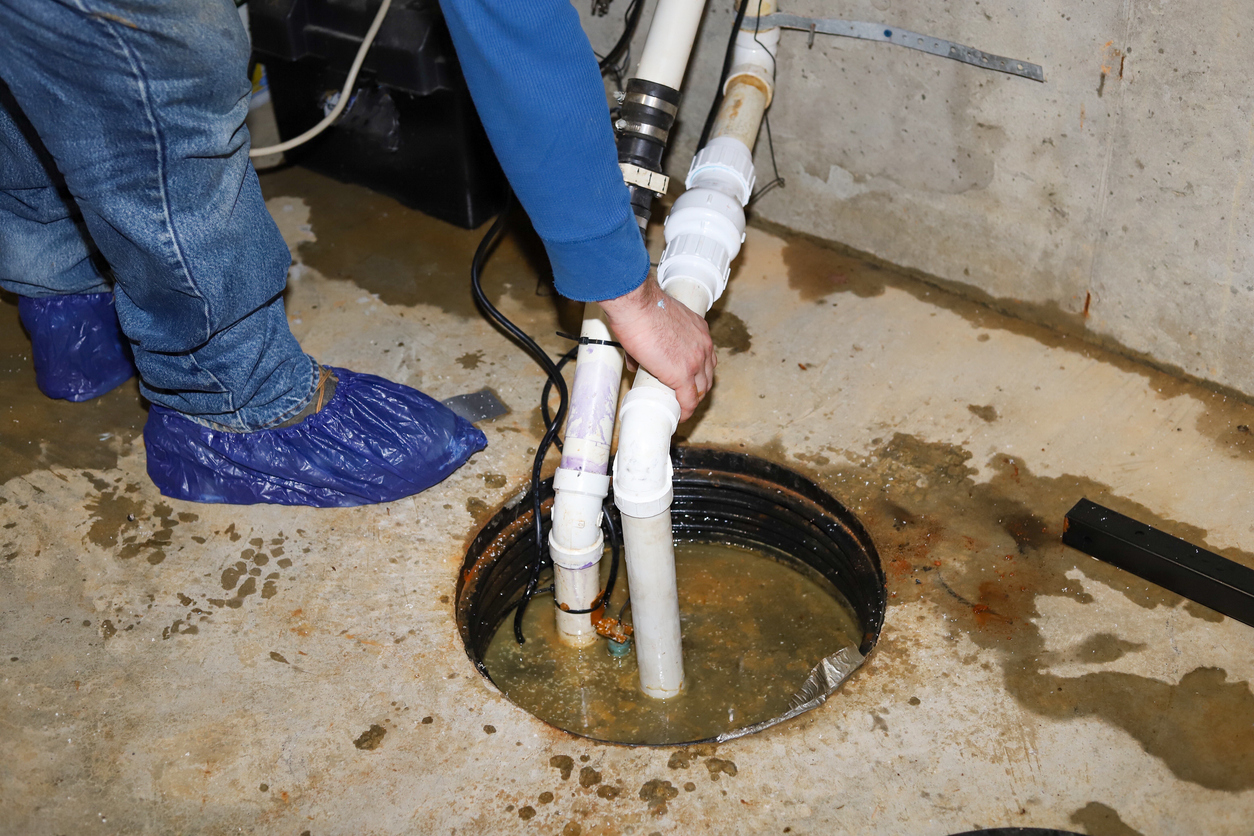
When I checked the system, the pump was there, it just wasn’t doing what it was supposed to do.
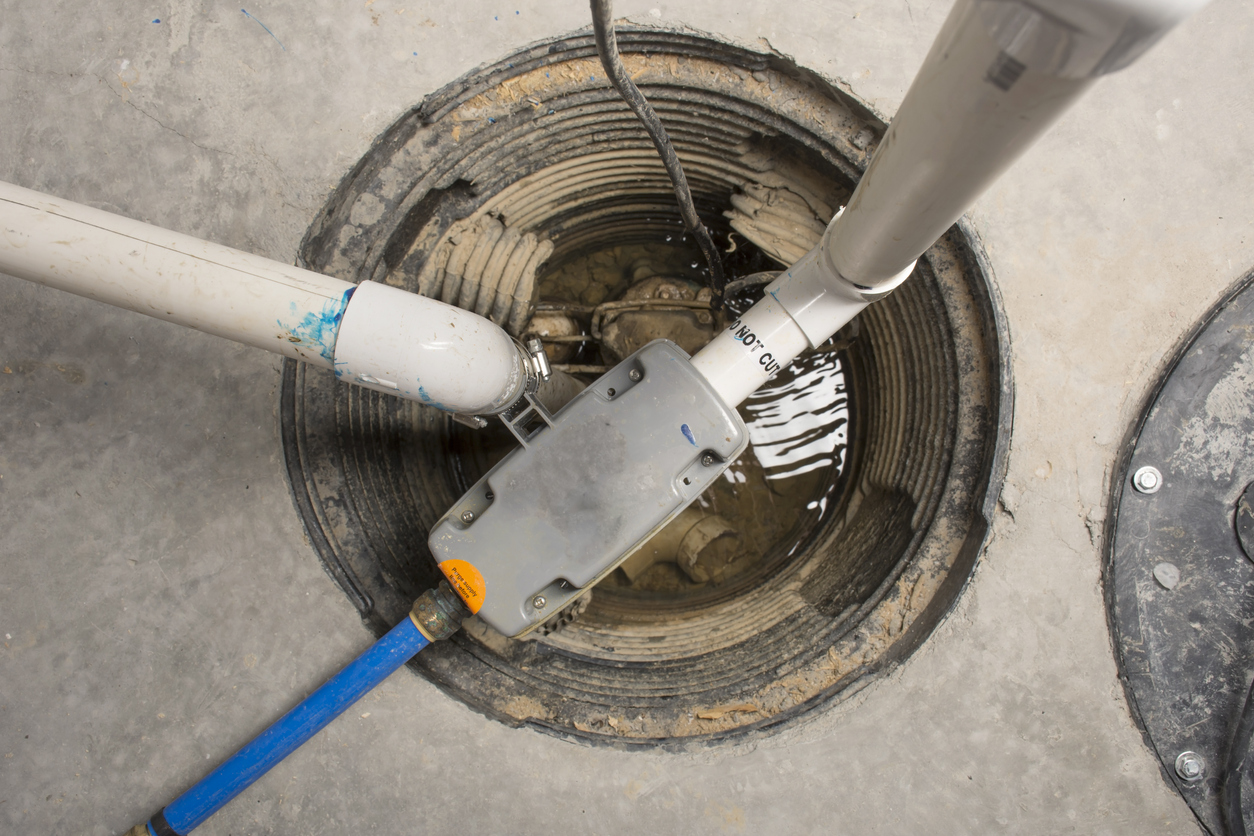
There was water sitting in the pit, and the pump wasn’t turning on when it should have. The float switch was sticking, and there was buildup inside the pit that had clearly been there for some time. On top of that, the discharge line wasn’t pushing water far enough away from the house.
So even when the pump tried to move water, it wasn’t actually fixing the issue.
This is something I see quite often. A lot of sump pumps get installed and then forgotten about. They can sit for years without being tested, and when water finally shows up, the system isn’t ready to handle it.
It doesn’t always start with major flooding. Usually, it begins with smaller signs like wet spots that don’t dry out, damp smells in garages or lower areas, or soil staying soft near the foundation.
If it’s left alone, that’s when it turns into real damage. Water starts getting into places it shouldn’t be.
The homeowner hadn’t reached that stage yet, but it was definitely heading in that direction.
The Process
The first thing I did was test the pump manually. It powered on, but not consistently, which told me right away something wasn’t right with how it was activating.
We started by cleaning out the pit. There was debris and buildup that had collected over time, and that can interfere with how the float moves.
After that, we replaced the float switch. That’s the part that tells the pump when to turn on and off, so if it sticks, the whole system won’t work properly.
Once that was done, we filled the pit with water again to test it. This time the pump activated the way it should and shut off properly.
From there, we moved to the discharge line. It was working, but it wasn’t pushing water far enough away from the foundation, so we extended it to a safer distance. We also checked for any blockages to make sure water could flow freely.
Before wrapping up, we ran a few full test cycles. We filled the pit, watched the pump turn on, made sure the water discharged properly, and confirmed it shut off cleanly each time.
Nothing complicated, just fixing what wasn’t working and making sure the system was doing its job properly.
The Outcome
Once everything was working the way it should, the difference showed up pretty quickly.
The sump pit wasn’t holding water anymore. As soon as water collected, the pump kicked on and pushed it out. No delay, no hesitation. That’s how you want it to behave.
Over the next few days, the ground around that side of the house started drying out. Before the repair, it stayed damp longer than it should, especially after watering or minor runoff. Afterward, it returned to normal — wet when it should be, then drying out on its own.
Inside, the garage was noticeably better. The damp smell went away, and the air felt normal again. Nothing had to be cleaned up or repaired inside because we caught it early enough.
What really changed was how the homeowner was acting around it. Before, they were checking that area every day, watching for water, trying to figure out if it was getting worse. After the repair, they stopped paying attention to it altogether.
That’s usually the goal. When something like this is working properly, it shouldn’t be something you think about.
DIY Advice I Gave Them
I kept this part straightforward and focused on things they could realistically stay on top of without overthinking it.
I told them to pour a bucket of water into the sump pit every few months and make sure the pump turns on and drains it properly. It’s a simple way to confirm everything is working.
When the pump runs, I recommend listening for anything unusual, like grinding sounds, hesitation, or longer run times than normal. Those are usually early signs that something isn’t right.
Keeping the pit clean is also important so debris doesn’t interfere with the float or the pump itself. I also suggested checking the discharge line outside to make sure it isn’t blocked, crushed, or bent.
It’s just as important to watch where the water is coming out. It should be moving away from the house, not pooling near the foundation.
They started doing these simple checks every so often, and since then the system has been working the way it should without any issues.
Professional Insight
Most sump pump problems aren’t complicated. They usually come down to small things — a stuck float, buildup in the pit, or a discharge line that isn’t doing its job.
The issue is that no one checks them until there’s already a problem. And when it fails, it’s usually at the worst time — when water is already collecting and you need the system to work right away.
A quick test every few months can catch most of these issues early.
If something feels off — water sitting too long, the pump not activating, or strange sounds — it’s better to deal with it then instead of waiting. Small fixes are easy. Water damage is not.
Closing
This job was a good reminder that having a system in place doesn’t mean it’s actually working.
A sump pump can sit there for years and look fine, but until it’s tested, you don’t really know.
If you’re in Bakersfield and you’ve got areas around your home that stay wet longer than they should, or you haven’t checked your pump in a while, it’s worth taking a look.
Thanks for reading.
– Rick
[https://theplumbingdoctorbakersfield.com/sumppumpinstallrepair]

Schedule a Professional Inspection
Ready to schedule a professional inspection? Contact us today.

Have a question? Give us a call
We are happy to answer any questions you have :)