Rosedale Plumbing Journal
By The Plumbing Doc
Year-End Wrap-Up: Securing Your Plumbing for Winter
Inspect and Insulate Exposed Pipes
Even in Bakersfield’s mild winters, sudden overnight freezes can catch homeowners off guard. While the city doesn’t see prolonged freezing temperatures, even a few hours below 32°F can be enough to cause pipe damage—especially in outdoor spigots, garages, crawl spaces, or unheated utility areas.
Why It Matters
When water inside a pipe freezes, it expands. This expansion creates intense pressure that can cause:
Cracks or bursts in pipes, even metal ones.
Leaks behind walls that go unnoticed until water damage occurs.
Disrupted water flow or complete blockages in key household lines.
What to Do: Step-by-Step Guide
1. Inspect All Visible Pipes Thoroughly
Look under sinks, in basements, crawl spaces, garages, and along exterior walls.
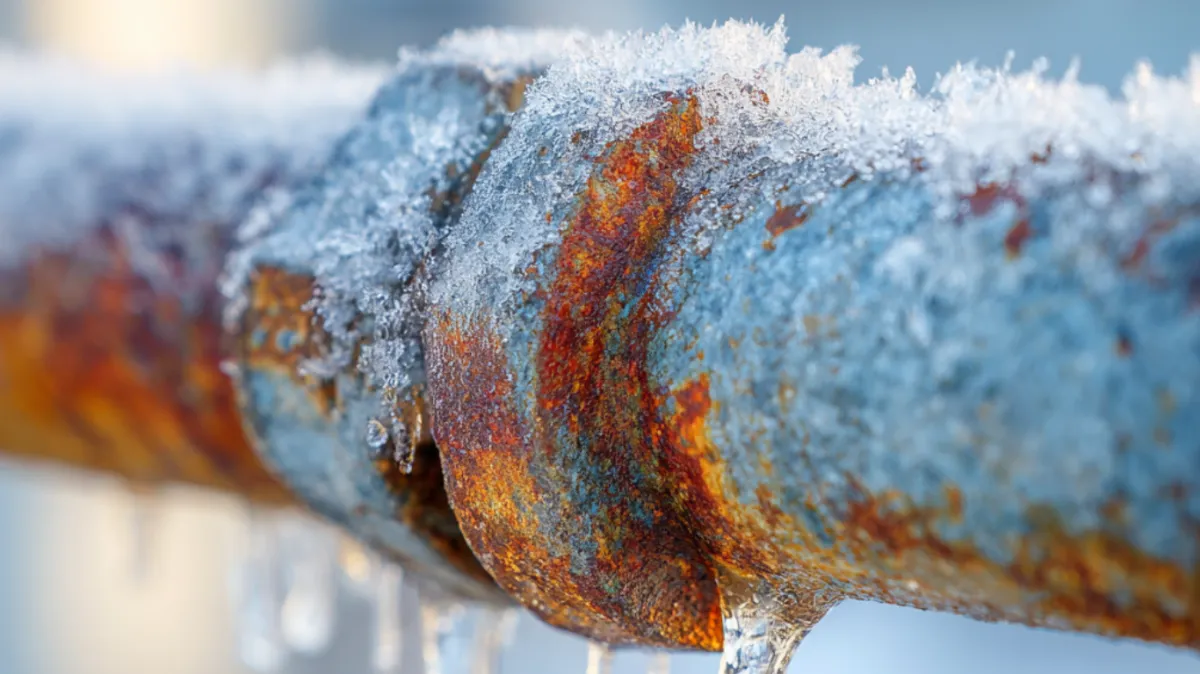
Check for corrosion, small cracks, rust spots, or dampness, which can signal weakening.
Note any pipes exposed to cold air or located near vents, open windows, or exterior foundations.
2. Apply Proper Insulation
Use foam pipe sleeves, fiberglass wrap, or rubber insulation to protect vulnerable sections.
For added protection, install UL-rated heat tape on pipes most at risk of freezing (especially outdoor spigots or basement lines).
Secure insulation tightly and seal the ends with weatherproof tape to block moisture.
3. Prepare Indoor Plumbing on Cold Nights
Open cabinet doors under sinks—especially those along exterior walls—to let warm air circulate.
Allow a slow drip from faucets farthest from your main water line to keep water moving and reduce freezing risk.
Keep your home temperature above 55°F, even when you’re away.
4. Seal Cold Entry Points
Use caulk or expanding foam to close gaps where plumbing enters walls or floors.
Check for drafts near vents, foundation openings, and pipe penetrations.
Disconnect and Drain Outdoor Plumbing
Outdoor plumbing is one of the most common sources of winter damage, even in Bakersfield’s mild climate. When hoses, sprinkler systems, or exterior faucets are left connected, trapped water can freeze and expand—creating cracks in pipes, valves, and spigots. The result? Costly leaks, reduced water pressure, or burst lines once temperatures rise again.
Why It Matters
Even a short overnight freeze can:
Cause hidden fractures in outdoor fixtures that don’t show until spring.
Lead to pressure buildup inside shut-off valves and joints.
Damage garden hoses, sprinklers, and irrigation lines that still contain standing water.
What to Do: Step-by-Step Protection
1. Disconnect and Drain All Garden Hoses
Detach every hose from outdoor spigots, regardless of whether it’s in use.
Hold each hose upright and let any remaining water drain completely.
Coil the hose neatly and store it indoors—in a garage, shed, or utility room to prevent cracking or stiffness caused by cold exposure.
Pro Tip: Use this time to inspect hoses for leaks or weak spots so you’re ready for spring gardening.
2. Shut Off and Drain Exterior Water Lines
If your home has dedicated shut-off valves for outdoor faucets, locate and close them before winter.
Once shut off, open the exterior faucets to let residual water drain out completely.
Leave the faucet slightly open to relieve any remaining pressure inside the line.
For homes without a shut-off valve, consider having The Plumbing Doc install one—it’s a simple upgrade that offers long-term protection.
3. Protect Faucets and Spigots from Freezing
Cover every outdoor faucet with an insulated faucet cover, available at most hardware stores.
Alternatively, wrap spigots with foam pipe insulation or weatherproof material secured by duct tape or ties.
Ensure covers fit snugly and seal any small gaps where cold air can enter.
In particularly exposed areas, you can add a layer of heat tape beneath insulation for added safety.
4. Winterize Your Irrigation and Sprinkler System (If Applicable)
Turn off your irrigation water supply at the main shut-off valve.
Use compressed air to blow out water from the sprinkler lines, ensuring no moisture remains that could freeze and rupture pipes.
Remove and store backflow preventers and drain valves indoors.
Protect Your Sewer and Septic Systems
Cold weather doesn’t just affect the pipes you can see — it also impacts the underground network that keeps your plumbing system running smoothly. In Bakersfield, where soil conditions vary between sandy and clay-heavy areas, temperature swings and shifting ground can silently damage sewer lines and septic systems.
When soil expands and contracts with moisture and temperature changes, it places stress on buried pipes. Add in tree root growth, aging infrastructure, or poorly sealed joints, and you could be facing leaks, backups, or even full system failure without realizing it.
Why It Matters
Ignoring your underground plumbing before winter can lead to:
Hidden leaks that soften soil and cause foul odors or foundation damage.
Root intrusion into cracked sewer lines, resulting in clogs and slow drainage.
Collapsed or misaligned pipes due to soil movement.
Overloaded septic tanks, which can overflow or freeze if not maintained properly.
What to Do: Step-by-Step Guide
1. Schedule a Professional Sewer Line Inspection
Have your main sewer line inspected with a high-definition camera system before the cold season.
This inspection allows technicians to identify:
Cracks or misalignments caused by soil movement or aging pipes.
Tree root intrusion, especially near large trees seeking moisture during dry months.
Early signs of blockages, grease buildup, or corrosion.
2. Maintain and Service Your Septic Tank
If your property uses a septic system, schedule regular maintenance before winter sets in.
Key steps include:
Pumping the tank if it hasn’t been done in the past 3–5 years.
Inspecting baffles and filters for blockages.
Checking the drain field for pooling or soggy spots.
3. Monitor for Early Warning Signs
Walk around your yard every few weeks and pay attention to visual or physical cues:
Unusually green patches of grass — may indicate wastewater leakage feeding vegetation.
Soft or sunken areas of soil — can signal underground pipe erosion or breakage.
Persistent foul odors — often the first sign of a cracked or leaking sewer line.
4. Insulate or Shield Exterior Cleanouts
If your sewer cleanout or septic access is located above ground, protect it with insulated covers or foam sleeves to prevent freezing and blockage from cold air.
As the year winds down, give your plumbing the same care you give your home and family during the holidays.
Schedule your winter inspection or full-system winterization with The Plumbing Doc today, and step into the new year worry-free.
Contact or visit the website to book your appointment before winter’s chill sets in.

Schedule a Professional Inspection
Ready to schedule a professional inspection? Contact us today.

Have a question? Give us a call
We are happy to answer any questions you have :)